
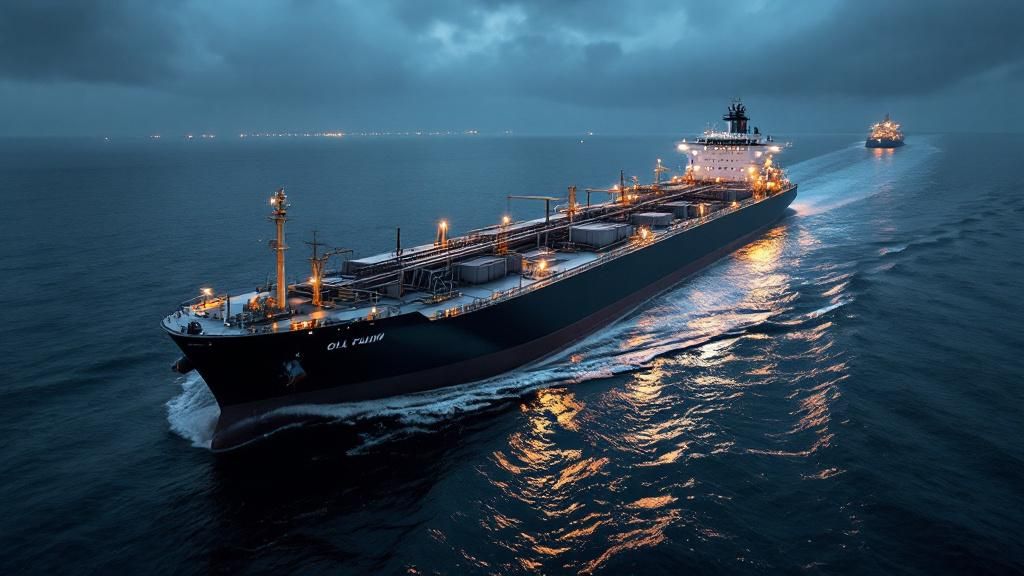
As the dispute in the region enters its second thirty days, undermining global energy supplies and pushing crude costs to record highs, China has positioned itself as an unlikely peacemaker in the escalating crisis. President Xi Jinping’s administration has joined forces with Pakistan to present a five-part peace proposal aimed at establishing a truce and restoring access to the strategically vital Strait of Hormuz, which has been closed off amid the American-Israeli military operations targeting Iran. The move represents a significant diplomatic shift for Beijing, whose first reaction to the war had been notably restrained. The intervention occurs as Donald Trump suggests American military action could be completed within two to three weeks, yet provides no clear blueprint of what settlement or aftermath might follow. China’s calculated gambit demonstrates both an opportunity to shape regional diplomatic efforts and a tactical response to US power ahead of key trade discussions between Xi and Trump in the coming month.
Why China Is Stepping Into the Fray
Beijing’s move to mediate the conflict in the Middle East represents a strategic shift from its earlier restrained diplomatic stance. Pakistan’s foreign minister journeyed to the Chinese capital to secure backing for peace negotiations, and the initiative seems to have succeeded. China’s Foreign Ministry later supported the shared peace proposal, emphasising that “dialogue and diplomacy” remain “the only workable means to address disputes”. This development demonstrates Beijing’s understanding that extended conflict endangers its economic wellbeing, notably since international energy disturbances could ripple across international supply chains and undermine China’s export-driven growth strategy.
Whilst crude oil supplies dominate discussions of Middle Eastern conflict, China’s motivation goes further than energy security. As the world’s leading importer of crude oil, Beijing keeps sufficient reserve stocks to endure short-term disruptions. Rather, the core issue is economic stability. Matt Pottinger, head of the China Program at the Foundation for Defense of Democracy, notes that worldwide economic contraction caused by energy shocks would severely damage Chinese manufacturing and export sectors. With China’s domestic economy struggling, Xi Jinping requires a steady global backdrop to maintain the export-driven growth vital to domestic recovery and maintaining political legitimacy.
- China maintains petroleum stockpiles sufficient for multiple months of disrupted supply
- International economic contraction from energy disruptions jeopardises China’s export competitiveness
- Stable international conditions vital for reviving China’s struggling domestic economy
- Peace proposal comes before crucial Xi-Trump negotiations scheduled for the following month
Economic Interests Motivating Diplomatic Overtures
China’s role in regional peace discussions cannot be divorced from Beijing’s overarching economic objectives. The conflict could destabilise global markets at a notably fragile moment for the economy of China, which is struggling with faltering domestic demand and declining consumer confidence. Xi Jinping’s leadership has made economic revitalisation a paramount priority, depending substantially on global commerce to offset internal challenges. Any extended interruption to international trade—whether through market volatility, logistical disruptions, or broader market volatility—substantially damages Beijing’s economic recovery plan and threatens to intensify domestic economic strains that could undermine political stability.
Beyond current energy concerns, China recognises that prolonged conflict in the Middle East would transform international geopolitical dynamics in ways disadvantageous to Beijing’s interests. A protracted war could reinforce American military deployment in the region, enhance US-Israel coordination, and potentially isolate China from key trading partners. By positioning itself as a neutral mediator rather than a aligned participant, Beijing endeavours to sustain diplomatic manoeuvre and show to regional powers that China offers an alternative to US-led security frameworks. This strategy enables Xi to wield soft power whilst at the same time protecting China’s commercial networks and investment portfolios across the Middle East.
The Distribution Chain Risk
The Strait of Hormuz, through which around one-third of global seaborne crude oil passes, represents a key strategic point for international commerce. Disruptions to this vital waterway would cascade through international supply systems, impacting not merely energy markets but the delivery of manufactured goods, primary resources, and components essential to present-day markets. China, as the world’s largest exporter of completed items and a state requiring shipping lanes, confronts significant exposure to these interruptions. Closures or armed conflicts in the passage could postpone cargo movements, elevate premium rates, and create unpredictable trading conditions that compromise China’s exporters’ competitiveness in international markets.
The economic consequences of strait closure would be especially acute for Chinese production industries reliant on just-in-time production systems. Automotive manufacturers, electronics producers, and chemical firms operating across Asia rely on reliable supply chains and consistent freight rates. Armed conflict in the Persian Gulf would generate unpredictability that manufacturers are unable to absorb without significant cost increases or output delays. By pushing for the reopening and protection of maritime waterways, Beijing presents itself as a protector of global commercial interests whilst simultaneously shielding its own manufacturing base from external shocks that could trigger plant shutdowns and unemployment.
Expanding Business Presence
China’s commercial presence across the Middle East goes well beyond oil imports. Chinese companies have invested billions in regional development initiatives, port development, and energy facilities as part of the Belt and Road Initiative. These investments represent sustained business engagements that demand political stability to deliver financial gains. Conflict could undermine ongoing construction projects, slow financial returns from existing operations, and discourage further capital deployment in the region. By supporting diplomatic talks, Beijing shields its accumulated capital and sustains progress for expanding its commercial footprint across Middle Eastern economies, positioning China as an vital commercial ally for development across the region.
The diplomatic gambit also helps reinforce China’s ties with local authorities and independent organisations who progressively perceive Beijing as a reliable commercial partner. Unlike Washington, which conditions financial support to political requirements and security alignments, China has developed ties based primarily on economic reciprocity. A effective peace initiative would boost Beijing’s standing as a practical player prepared to commit diplomatic capital in regional stability. This improved position translates into business benefits, favourable terms for Chinese companies competing for infrastructure projects, and deeper integration of economies in the Middle East into China’s commercial networks.
A History of Regional Mediation
China’s rise as a peace broker in the Middle East does not occur in a vacuum. Beijing has spent the past decade cultivating diplomatic relationships across the region, establishing itself as a neutral actor willing to engage with governments and non-state actors alike. This approach differs markedly from Western diplomacy, which often emphasises security alliances and ideological compatibility. China’s willingness to maintain dialogue with Iran, Saudi Arabia, and other regional actors simultaneously has established Beijing as a credible intermediary. The current peace initiative builds upon foundations laid through sustained diplomatic work and economic engagement, indicating that China’s involvement holds significance beyond mere symbolic gestures or strategic opportunism.
| Initiative | Year | Outcome |
|---|---|---|
| Iran-Saudi Arabia Diplomatic Agreement | 2023 | Restored diplomatic relations after seven-year rupture; established foundation for regional dialogue |
| Afghanistan Reconstruction Dialogue | 2021-2024 | Convened multiple rounds of talks involving regional stakeholders and Taliban representatives |
| Palestine-Israel Humanitarian Discussions | 2022-2024 | Facilitated humanitarian corridors and cross-border negotiations on civilian welfare |
These cases illustrate that China maintains both the diplomatic infrastructure and established track record to manage intricate Middle Eastern disputes. Beijing’s successful brokering of the Iran-Saudi Arabia deal in 2023 especially strengthened its standing as a genuine mediator. That achievement, accomplished via extended periods of discreet negotiations in Beijing, proved that China could deliver outcomes where Western nations faced difficulties. The present five-point initiative with Pakistan therefore amounts to not an unproven experiment but rather an continuation of China’s proven diplomatic approach in the area.
Barriers and Authenticity Problems
Despite China’s track record in diplomacy, significant obstacles threaten to undermine its peace-building initiatives in the region. The core issue centres on Beijing’s historical alignment with Iran, which undermines its assertion of impartiality. Western powers, especially the United States, remain sceptical about China’s motives, regarding the proposal as a strategic manoeuvre rather than genuine peacebuilding. Additionally, China’s own economic interests in regional stability—especially concerning oil supplies and export markets—raise questions about whether Beijing can truly serve as an neutral broker. These trust issues could obstruct talks and limit the proposal’s uptake among all parties involved.
The timing of China’s intervention also creates challenges. Occurring merely weeks prior to critical trade negotiations between Xi Jinping and President Trump, the peace proposal risks appearing as strategic maneuvering rather than principled diplomacy. Furthermore, China does not possess the military footprint and security commitments that established Western intermediaries can offer, potentially limiting its influence with parties resistant to making concessions. Regional actors may question whether Beijing can ensure adherence or provide security assurances necessary for lasting peace settlements. These structural limitations indicate that even China’s diplomatic expertise may fall short without broader international cooperation and support from all conflicting parties.
- China’s strong connections to Iran undermines its assertion of impartiality in peace discussions
- Western scepticism about Beijing’s intentions undermines international standing and confidence
- Absence of military capability limits China’s ability to uphold peace accords
- Financial incentives in order may eclipse dedication to authentic peacebuilding
The Road Ahead: Opportunities for Growth
Whether China’s diplomatic proposal will prove successful remains uncertain, yet early signs indicate a real dedication to resolving the conflict. Beijing’s public support for Pakistan’s mediation efforts constitutes a significant diplomatic shift, signalling that Middle Eastern stability is currently prioritised for Xi Jinping’s government. The five-point plan centred on ceasefire agreements and reopening the Hormuz Strait tackles pressing issues impacting global energy markets and financial stability. If talks advance, China could leverage its ties to Iran whilst maintaining dialogue with the United States, possibly establishing scope for meaningful diplomatic breakthroughs that neither Washington or Tehran could accomplish independently.
However, success relies significantly on extensive cross-border collaboration and genuine willingness from all parties to compromise. The inclusion of Pakistan, a traditional American ally, in conjunction with China suggests a coordinated approach that could attract multiple stakeholders. Yet the fundamental question remains: can economic inducements and political pressure overcome the deep ideological and security divisions that have sustained this conflict? If China can preserve its standing as an impartial intermediary and if the United States considers the initiative as complementary rather than competitive, the weeks ahead could determine whether this strategic move yields measurable results or merely another series of unsuccessful negotiations.
