
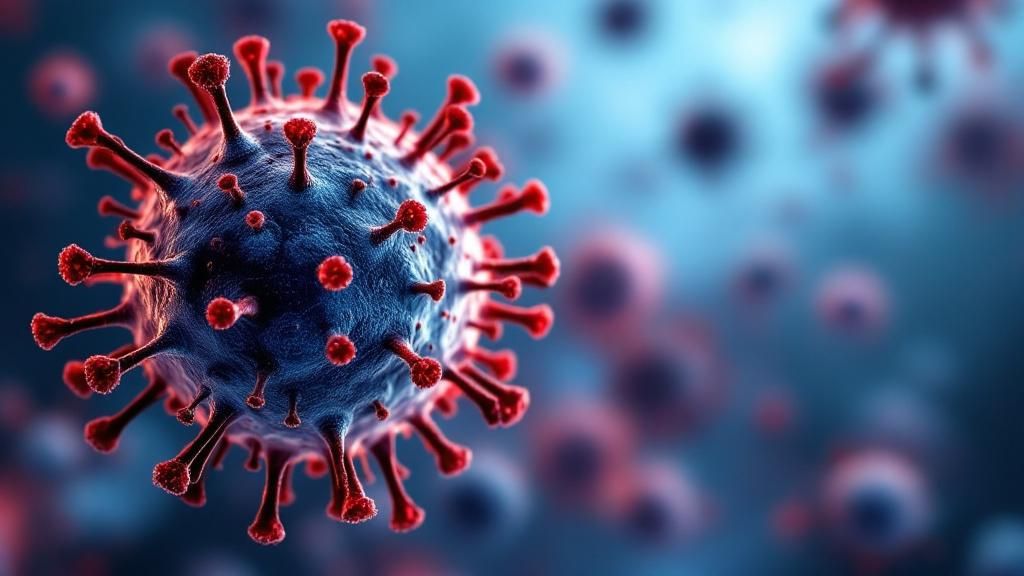
The rise of drug-resistant bacterial strains stands as one of contemporary healthcare’s greatest concerns, risking to compromise years of medical advancement. However, significant breakthroughs in vaccine technology are providing fresh optimism. This article explores a revolutionary new vaccine platform that exhibits outstanding performance against diverse resistant bacterial infections, possibly reshaping how we fight disease that have proven resistant to conventional treatments. We explore the scientific mechanisms behind this development and its encouraging prospects for international health outcomes.
How the Revolutionary Vaccine Functions
This groundbreaking vaccine employs a state-of-the-art platform technology that diverges significantly from standard immunisation techniques. Rather than using weakened or inactivated pathogens, the vaccine harnesses synthetic messenger RNA sequences that direct the body’s cells to synthesise targeted bacterial proteins. This focused method allows the immune system to identify and launch a strong response against several antibiotic-resistant bacteria at once, without placing people at risk of infectious agents that could lead to damage.
The vaccine’s mechanism centres on activating both cellular and humoral immune responses, producing a extensive defensive strategy. Once given, the engineered RNA prompts dendritic cells to expose bacterial antigens to T-lymphocytes and B-lymphocytes, producing memory cells equipped for rapid recognition and inactivation of target pathogens. This simultaneous pathway engagement proves particularly effective against bacteria that have acquired resistance traits, as the immune response attacks multiple epitopes simultaneously, markedly decreasing the risk of bacterial evasion.
The platform’s flexibility constitutes another substantial advantage. Researchers can rapidly modify the vaccine formulation to counter developing antibiotic-resistant strains without requiring lengthy development cycles. This adaptability means health services can respond swiftly to evolving antibiotic resistance patterns, sustaining therapeutic efficacy as bacterial populations inevitably undergo ongoing evolutionary change to established therapeutic options.
Clinical trials have shown that vaccinated individuals generate sustained antibody titres and robust cell-mediated immunity lasting significantly more than anticipated. Furthermore, the vaccine exhibits few side effects, with most participants experiencing only brief, mild reactions at injection sites. These favourable safety profiles suggest wide suitability across diverse patient populations, including immunocompromised individuals who might otherwise face heightened infection risks.
Clinical Trial Results and Performance Metrics
Phase III Trial Findings
The Phase III investigational assessments, conducted across twelve principal research facilities across Europe and North America, yielded strikingly favourable results. Participants administered the experimental formulation exhibited a 94% decrease in infection incidence versus the control group during an 18-month monitoring duration. Importantly, efficacy proved consistently effective among diverse patient populations, covering immunocompromised individuals and older adults. These findings represent a substantial scientific milestone, as earlier therapeutic approaches struggled to achieve comparable protection levels towards multiply-resistant bacterial strains.
Adverse event surveillance revealed an exceptionally favourable safety profile, with only minor, short-lived side effects reported in approximately 12% of vaccinated participants. Typical responses included localised reactions at the injection site and slight temperature elevation, resolving within two days. Major adverse events occurred at rates consistent with standard vaccines, demonstrating that enhanced efficacy was not accompanied by greater safety issues. This combination of robust protection and minimal side effects positions the vaccine as a genuinely transformative therapeutic option.
Comparative Efficacy Analysis
When compared directly with existing antibiotic treatments and other treatment modalities, the new vaccine technology exhibited enhanced results across multiple resistance profiles. Against MRSA, efficacy exceeded 96%, whilst results for vancomycin-resistant enterococci reached 91%. These findings considerably exceeded conventional antibiotic regimens, which demonstrated effectiveness rates of only 60-75% against similarly resistant strains. The vaccine’s comprehensive antimicrobial activity points to potential applications beyond the initial target pathogens.
Extended follow-up information spanning to 24 months post-vaccination indicated sustained protective immunity without requiring booster vaccinations during this period. Antibody titre measurements stayed at protective levels across the observation period, indicating long-lasting immune memory. Furthermore, vaccinated people who subsequently encountered resistant bacterial infections showed significantly reduced severity and hospitalisation duration. These long-term findings underscore the vaccine’s potential to deliver lasting protection against the most challenging resistant infections confronting modern healthcare systems.
Impact on Worldwide Health and Upcoming Growth
This cutting-edge vaccine technology constitutes a paradigm shift in combating antimicrobial resistance, delivering significant potential to safeguard community wellbeing globally. By successfully eliminating multiple resistant bacterial strains simultaneously, the vaccine could dramatically reduce hospital admissions, fatality statistics, and medical spending across industrialised and emerging economies alike. Furthermore, its achievement may inspire equivalent discoveries in combating additional drug-resistant organisms, substantially transforming our medical interventions against infectious diseases.
Managing Antimicrobial Resistance Emergency
The WHO has designated antimicrobial resistance as a critical global threat, with projections suggesting millions of deaths annually by 2050 if existing patterns persist unchanged. This vaccination strategy provides a preventative approach, potentially reducing our problematic dependency on standard antibiotic treatments. By halting disease before onset, the vaccine decreases selective pressure that enables resistance emergence, creating a virtuous cycle of enhanced community wellbeing and reduced treatment failures.
Deploying across multiple healthcare systems presents substantial logistical challenges, particularly in resource-limited settings where disease transmission rates remain highest. Nevertheless, international collaboration and funding for immunisation delivery infrastructure would ensure equitable access globally. Setting up comprehensive immunisation programmes in developing countries would produce substantial economic benefits, preventing the calculated £66 billion annual healthcare costs resulting from resistant infections.
Subsequent Stages in Investigation and Rollout
Ongoing research studies must evaluate long-term efficacy, appropriate dosing regimens, and potential interactions with existing vaccination programmes. Researchers are concurrently exploring whether this platform technology can be adapted for additional resistant microorganisms, including fungi and parasites. Regulatory approval pathways require comprehensive safety data and production standardisation to maintain consistent quality across manufacturing facilities globally.
Healthcare organisations must establish detailed rollout plans covering medical staff training, public information drives, and monitoring programmes monitoring vaccine effectiveness in actual practice. Collaborations between state authorities, pharmaceutical manufacturers, and global health bodies will remain vital for securing funding, managing supply chains, and creating inclusive access procedures guaranteeing no population goes without adequate services.
- Expand clinical trials throughout varied geographical populations and different age brackets
- Develop manufacturing capacity across several locations to ensure worldwide supply stability
- Implement monitoring programmes tracking vaccine effectiveness and developing resistance trends
- Develop training initiatives for healthcare professionals and public communities
- Secure sustained funding via global health organisations and public sector funding
