
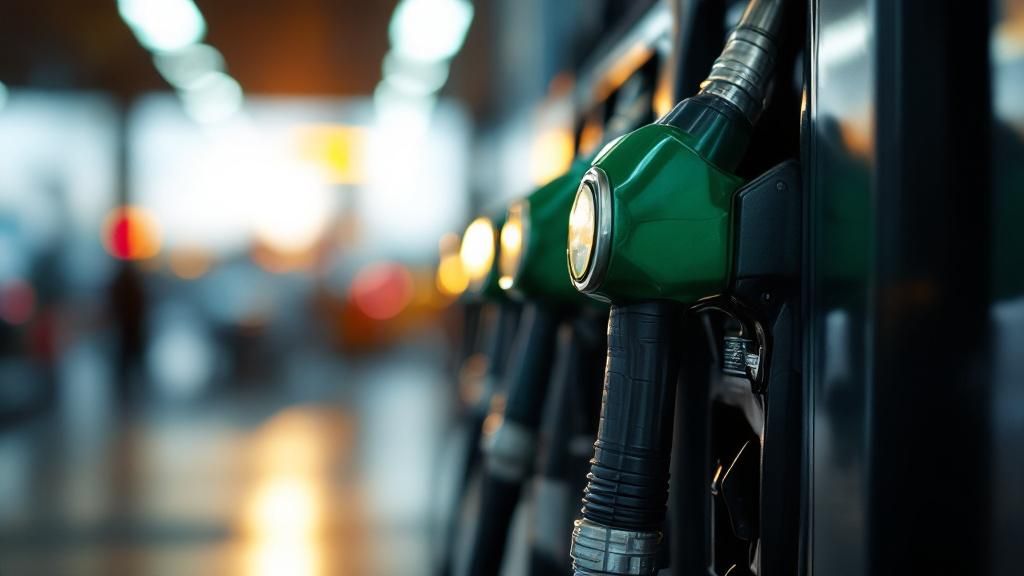
African nations are resorting to emergency measures as a energy shortage deepens across the continent, triggered by escalating tensions between the United States and Israel against Iran. South Sudan and Mauritius have announced sweeping restrictions on electricity consumption, with Juba implementing regular outages on a rotating schedule and the island nation facing a acute scarcity that has left it with just three weeks of fuel reserves. Zimbabwe has taken a different approach, increasing the ethanol levels in petrol from 5% to 20% in an attempt to prolong its fuel stocks further. The crisis comes as international energy markets remain volatile, forcing governments to seek alternative sources at substantially elevated prices whilst ordinary citizens grapple with rising costs for essential commodities and services.
Electricity shortages and supply restrictions spread throughout the continent
South Sudan’s capital, Juba, has started rolling out a strict power rationing plan as the country’s electricity distributor, Jedco, works to safeguard diminishing energy supplies. The service provider announced that parts of the city would experience daily blackouts on a rotating schedule, with people in certain areas losing power for prolonged stretches. An electrical engineer based in one of the worst-affected areas reported that electricity often cuts out at 16:00 and stays disconnected until 04:00 the following morning, effectively crippling commercial activity throughout the city. Those with adequate resources have begun investing in costly solar installations as an alternative, though the upfront costs remain prohibitively high for most residents.
Mauritius, significantly reliant on imported oil for power generation, faces an particularly severe crisis. The island nation’s government confirmed that a planned fuel delivery did not arrive as expected, leaving the nation with merely 21 days’ worth of fuel reserves left. Energy Minister Patrick Assirvaden declared emergency measures to obtain alternative sources from Singapore, though these carry significantly elevated cost. The government has successfully organised extra deliveries for later in April, but the financial burden of sourcing fuel from alternative suppliers threatens to strain the nation’s already stretched resources and increase electricity costs for consumers.
- South Sudan derives 96% of its electricity obtained from oil reserves
- Scheduled blackouts implemented on cyclical rotation across Juba districts
- Mauritius holding only 21 days of fuel supplies remaining
- Replacement fuel shipments from Singapore being delivered at premium prices
Governments race to secure substitute fuel supplies
Across Africa, governments are adopting increasingly creative measures to stretch shrinking petrol reserves and reduce the impact of geopolitical pressures on their economic systems. Zimbabwe has moved ahead by revealing intentions to increase ethanol content in its gasoline from 5% to 20%, practically stretching standard petrol to prolong supplies. Simultaneously, the government has moved to remove particular duties on fuel shipments in an attempt to curb prices, which have surged 40% in less than a month. These emergency interventions reveal the challenges affecting policymakers as standard supply routes continue interrupted and substitute supplies demand higher costs that burden increasingly vulnerable government budgets.
The financial pressure of sourcing fuel from other sources is proving severe for nations already facing economic challenges. Governments must now balance the immediate need to secure energy supplies against the longer-term costs of importing fuel at elevated rates. For ordinary citizens, these measures deliver minimal assistance, with transport costs and commodity prices rising steadily as businesses shift their increased operational expenses. Street vendors and small traders indicate they cannot simply raise prices without losing customers, forcing them to sustain financial hits whilst waiting for supply chains to return to normal and fuel costs to retreat from crisis levels.
The ethanol strategy of Zimbabwe
Zimbabwe’s choice to boost ethanol blending represents some of the region’s most aggressive answers to the fuel shortage. By boosting the ethanol proportion from 5% to 20%, the country hopes to significantly extend its fuel reserves whilst maintaining adequate vehicle performance. The government has also eliminated certain import taxes to reduce the burden on consumers and steady pricing. However, the viability of this method remains in question, particularly given that fuel prices have already climbed 40% in under a month, exceeding official measures to control price rises through tax relief alone.
The effect on typical Zimbabweans has been sudden and acute. Street vendors and modest-sized entrepreneurs report that delivery charges have doubled depending on timing and location of supply orders. Many traders cannot raise their prices without losing custom, obliging them to take on losses as input costs spiral. One soft drink vendor in Harare indicated hope that delivery charges would eventually fall to earlier levels, indicating that many entrepreneurs consider existing conditions as untenable and are simply enduring the crisis rather than adjusting their long-term strategies.
Resource allocation in Ethiopia
Ethiopia, along with other African countries, confronts difficult choices about fuel allocation and consumption priorities. Governments need to decide which sectors receive priority access to limited supplies, whether essential services, manufacturing, or transportation. The strategy implemented will substantially affect which parts of the population bear the heaviest burden of the crisis. Without coordinated regional strategies and global assistance, individual nations’ efforts to address shortages risk creating inefficiencies and extending economic strain across the continent.
Ordinary people bear the brunt of rising costs
Across Africa, the fuel crisis caused by Middle Eastern tensions is affecting ordinary people hardest. Street traders, self-employed merchants, and working families become trapped between rising costs and limited income. In Harare, vendors offering beverages from push carts cannot simply adjust pricing without losing customers to competitors, forcing them to shoulder mounting transport costs instead. Equivalent challenges surface from capitals across the continent, where informal economy workers—who comprise a significant portion of Africa’s workforce—lack the financial buffers to weather prolonged economic shocks. The overall consequence of transport costs doubling in some cases creates a cascading impact through entire supply chains.
The crisis reveals the vulnerability of Africa’s most disadvantaged populations to global geopolitical events outside their influence. Those lacking other energy sources, such as renewable energy solutions or private transport, endure the greatest difficulty. Daily power outages of up to twelve hours in Juba affect commercial operations, medical facilities, and educational institutions, whilst fuel rationing limits transportation and trade. Governments implementing emergency measures focus on preserving critical infrastructure, but this often means lower power supply to homes and limited fuel access for personal consumption. Without swift resolution to Middle Eastern tensions or substantial international aid, economists warn that the cost of food, medical care, and essential services will continue escalating, deepening poverty across the continent.
- Shipping expenses have increased twofold in some African cities within weeks
- Informal traders cannot raise prices without losing their customer base
- Power cuts running for twelve hours daily paralyse small-scale enterprises
- Fuel rationing limits mobility and disrupts distribution networks
- Poorest citizens do not have monetary savings to endure prolonged crisis
Likely beneficiaries and long-term consequences
Whilst most African nations face the fuel crisis, some countries may be in advantageous positions. Nations with local renewable energy resources or substitute fuel options could become regional suppliers, which could improve their economic position. Ethiopia’s hydroelectric infrastructure and South Africa’s established energy infrastructure position them to help nearby states seeking alternatives to oil imports. Additionally, this shortage might spur capital towards solar power and wind energy across the continent, creating long-term benefits for energy self-sufficiency. However, shifting to renewable energy requires substantial capital investment that many African governments lack the resources for without external assistance.
The geopolitical consequences go further than immediate energy concerns. Africa’s reliance on Middle Eastern oil exposes the continent’s vulnerability to external conflicts, prompting policymakers to reconsider energy diversification strategies. Some economists argue the crisis presents an chance for develop indigenous renewable energy sectors, reducing dependency on unstable international markets. Conversely, sustained fuel scarcity could trigger civil unrest, political turmoil, and migration strain if essential services decline substantially. The International Energy Agency warns that without coordinated regional responses, African economies face the prospect of a prolonged downturn that could undo decades of economic development and exacerbate existing inequalities.
Harbour facilities under pressure
Africa’s port infrastructure grapples with growing challenges as supply constraints complicate maritime operations and cargo handling. Ports in South Africa, Kenya, and Ghana—vital centres for continental trade—are dealing with growing bottlenecks as shipping companies reroute ships to avoid high-consumption pathways. Diesel shortages impact port equipment operations, including container cranes and transport vehicles, slowing cargo processing significantly. This bottleneck threatens to disrupt global supply chains further, as African exports encounter prolonged hold-ups. Port authorities are activating contingency measures to prioritise essential goods, but the cumulative effect threatens to raise shipping costs continent-wide.
The logistical obstacle exacerbates existing deficiencies in Africa’s marine operations. Many ports are without up-to-date equipment and rely heavily on imported fuel for operations, rendering them especially susceptible to global price fluctuations. Developing countries contingent on individual facilities encounter particularly severe challenges, as any disruption spreads throughout their whole economic system. Investment in fuel-efficient port technology and clean energy infrastructure could alleviate upcoming challenges, but demands funding the majority of African administrations lack the capacity to secure. Collaborative partnerships on infrastructure expansion and common facilities may offer solutions, though political rivalries and competing national interests frequently obstruct such initiatives.
Nigeria’s prospect amid international unpredictability
Nigeria, Africa’s largest oil producer, occupies a unique position in the ongoing situation. Whilst local fuel supply shortages continue due to limited refining capability, Nigeria could potentially increase crude oil exports to benefit from elevated global prices. However, this strategy risks worsening local supply shortages and public discontent. Alternatively, Nigeria could focus on developing domestic refining infrastructure to provide fuel to regional partners, cementing its role as Africa’s leading energy provider. Such a pivot would require substantial investment and political determination, but might produce considerable earnings whilst bolstering Africa’s energy security and economic integration.
